Gilded Flower Imprints Vol. 12: Vintage Floral Paper Set
Where Timeless Elegance Meets Digital Craft
There’s a particular challenge in digital design that many crafters and professionals face: how to create something that feels genuinely authentic and handcrafted without spending hours layering textures or hunting for the right vintage elements. Gilded Flower Imprints Vol. 12 addresses this directly with a collection that balances ornate botanical illustration with the warmth of aged paper.
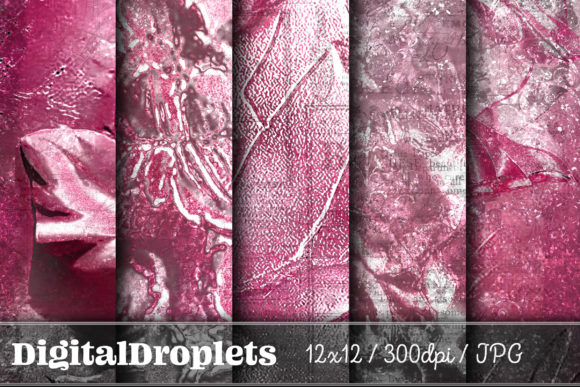
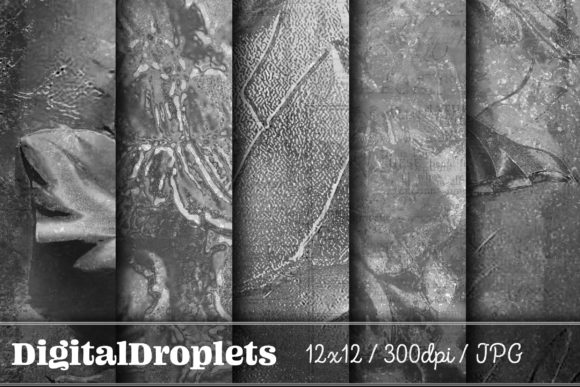
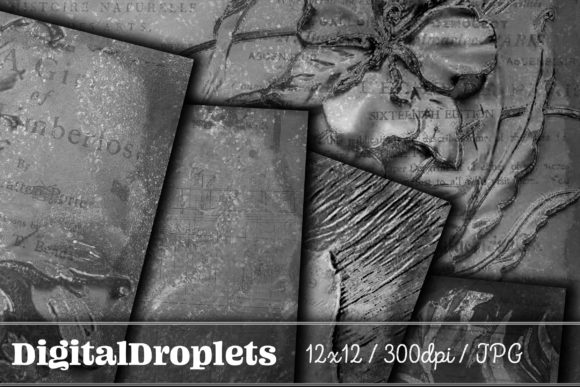
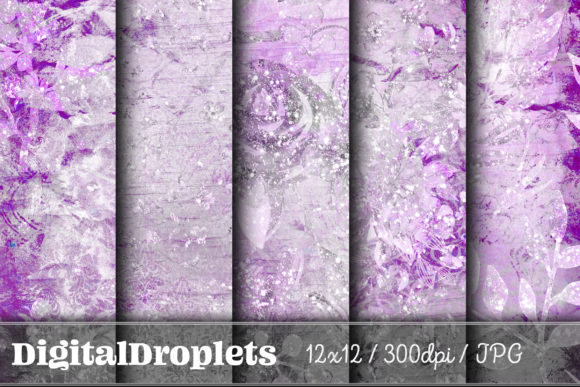
Each of the 20 papers in this set features a large-scale floral motif—think full-bloom roses, peonies, or wildflowers rendered with fine detail—positioned against a background that mimics the soft patina of old vintage paper. What ties everything together is a subtle glitter damask pattern overlaid across each design. It’s not flashy or distracting. Instead, it catches light in a way that suggests gilded letterpress or foil stamping without overwhelming the botanical artwork underneath.
The personality of this collection sits somewhere between Victorian botanical illustration and Romantic-era stationery. It feels formal but approachable, decorative but not cluttered. If you’ve ever browsed antique shops and admired the layered textures of old book endpapers or vintage wallpaper samples, you’ll recognize the visual language here immediately.
Practical Applications Across Creative Projects
What makes Gilded Flower Imprints Vol. 12 genuinely useful is its versatility. This isn’t a set designed for one narrow purpose. The 12×12 format at 300dpi means these papers work at print resolution for physical projects and scale well for digital work.
Scrapbooking and Photo Albums
For scrapbookers, these papers serve as rich background layers that add depth without competing with photographs. The vintage paper texture grounds the design, while the floral motifs provide visual interest around the edges of a page. They pair particularly well with sepia-toned or black-and-white family photos, wedding albums, and heritage projects where a sense of history matters.
Junk Journals and Mixed Media
Junk journal creators will find these papers especially valuable. The aged paper aesthetic blends naturally with ephemera, ticket stubs, handwritten notes, and washi tape. Use full pages as signature covers or cut them into smaller pieces for tuck spots, tip-in pages, and decorative inserts. The glitter damask detail adds a layer of sophistication that elevates even casual collage work.
Cards, Tags, and Envelopes
For card makers, consider using these papers as full-coverage backgrounds or trimming them into panels, mats, and accent strips. The large floral motifs work beautifully when partially visible—perhaps a single bloom peeking from behind a sentiment tag. Cut into envelope liners, they transform ordinary mail into something memorable.
Professional and Commercial Design
Beyond personal crafting, this collection has real applications in professional design work. Bloggers and content creators can use these as textured backgrounds for quote graphics or social media posts. Small business owners might incorporate them into packaging design inserts, thank-you cards, or product photography backdrops. The consistent aesthetic across all 20 papers makes it easy to maintain visual cohesion across multiple touchpoints in a brand identity system.
Design Considerations and Pairing Strategies
Working with ornate, pattern-heavy papers requires some thought about visual hierarchy. Because these designs carry significant decorative weight, they work best when paired with simpler elements around them.
For typography overlays, lean toward clean sans-serif fonts or elegant serif typefaces with generous letter spacing. A bold, modern sans-serif creates an appealing contrast against the vintage florals, while a refined serif maintains the formal tone. Avoid overly decorative script fonts or handwritten fonts directly on top of the papers—they’ll compete with the floral patterns rather than complement them.
Color-wise, the vintage paper base and muted floral tones make these papers surprisingly adaptable. They work with warm palettes (gold, burgundy, cream, sage) and cool palettes (dusty blue, lavender, silver) alike. If you’re building a brand identity around elegance, heritage, or artisanal quality, these papers offer a strong visual foundation.
For projects requiring multiple design assets, consider mixing papers from this set with the other variations available in the shop. Using different volumes together—while keeping the shared gilded and floral language—creates range without sacrificing coherence.
Technical Details Worth Noting
All 20 papers are delivered as high-resolution JPEG files at 12×12 inches and 300dpi. This resolution handles standard print output comfortably and provides flexibility for cropping and resizing without visible quality loss.
A few practical notes for working with these files:
- Layering: Because JPEGs don’t support transparency, plan to use these as base layers or cut shapes from them in your editing software.
- Color adjustment: The vintage paper tone is warm by default. If your project calls for cooler tones, a quick hue/saturation adjustment shifts the palette easily.
- Scale: The large floral motifs are designed for the full 12×12 format. Cropping into smaller sections creates variety—each portion of a pattern reads differently depending on which area you select.
Before committing to a large project, it’s worth downloading any sample freebies from the shop to test how the papers interact with your specific workflow, software, and printer settings. This kind of upfront testing prevents surprises at the final stage.
Getting the Most from This Collection
The real strength of Gilded Flower Imprints Vol. 12 lies in its ability to add perceived value to finished work. A handmade card backed with these papers feels more considered. A scrapbook page gains narrative weight. A small business insert communicates care and attention to detail.
That said, restraint matters. Not every element in a project needs to showcase the pattern. Sometimes a narrow strip of gilded floral paper along one edge of a layout does more than covering an entire surface. Thoughtful placement and selective cropping often produce the strongest results.
Whether you’re building a personal collection of design assets for ongoing projects or assembling materials for a specific event—wedding invitations, holiday cards, a product launch—this set provides a cohesive starting point with enough variety across its 20 pages to keep designs feeling fresh while maintaining a unified aesthetic.