Inked Glam Vintage Vol. 7: A Designer's Textured Toolkit
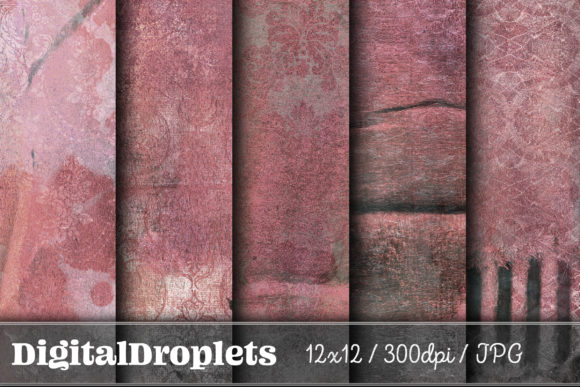
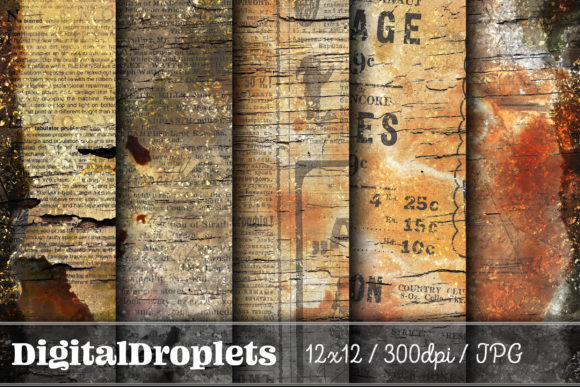
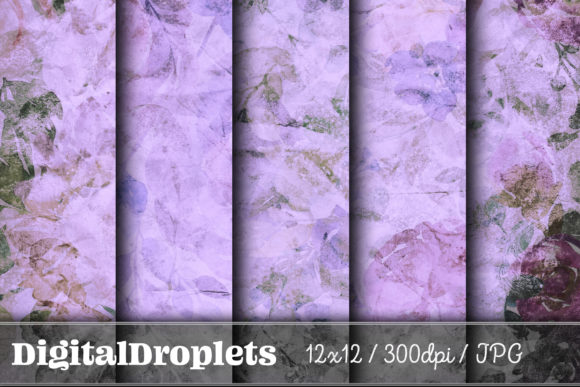
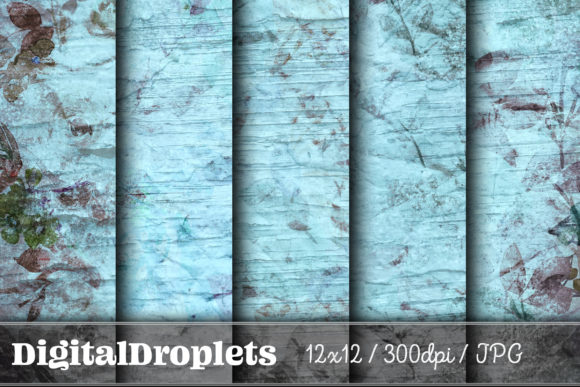
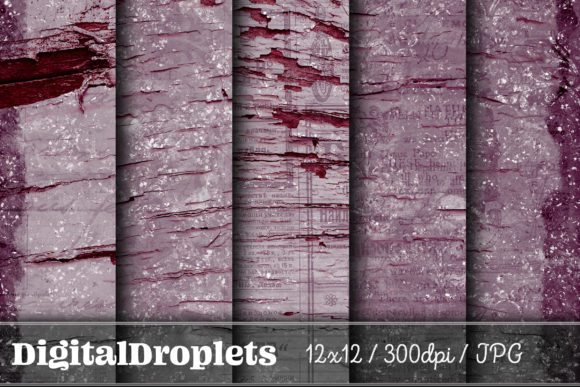
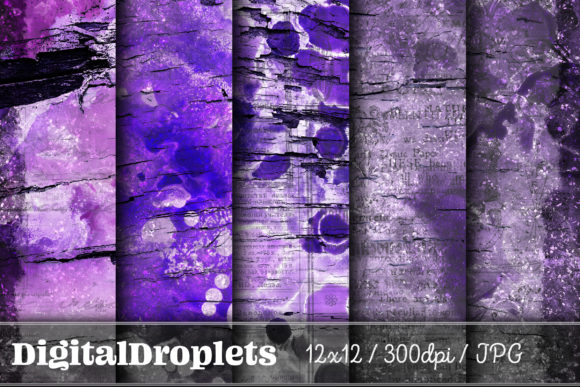
There’s a particular kind of depth you get when you layer ink over wood, or watercolor over aged paper. It’s not just visual—it’s tactile, even on screen. That’s the core idea behind the Inked Glam Vintage Vol. 7 | Collection, and specifically its 12×12 Paper Set of 10. This isn’t a standard digital paper pack. Each of the ten sheets is a carefully constructed composition, starting with a weatherboard texture base and layering on unique ink or watercolor washes. The result is a set with serious character, straddling the line between grunge sophistication and vintage mystique.
Understanding the Visual Language
What makes this collection distinct is its controlled chaos. You have the rough, linear grain of weatherboard as a foundation—something that immediately grounds the design in a rustic, perhaps industrial past. Over this, the ink and watercolor textures aren’t uniform; they’re organic, with bleeds, blooms, and variations that mimic real-world materials. To add another layer of narrative, subtle newspaper textures and faint glitter patterns are woven in. This combination creates a personality that’s decidedly gothic and grunge, but with a glamorous edge. It’s moody without being gloomy, detailed without being cluttered.
Think of it as a premium font for your background. Just as a serif font conveys tradition and authority, these papers convey a story of age, process, and authenticity. The ink textures provide a handmade, artistic feel, while the underlying weatherboard textures suggest something sturdy and time-worn. The newspaper elements add a layer of intellectual or historical intrigue, and the glitter offers a surprising touch of glam that prevents the whole aesthetic from becoming too somber.
Where This Collection Truly Shines
The versatility of the Inked Glam Vintage Vol. 7 papers is one of their greatest strengths. They are fundamentally design assets built for projects that demand texture, depth, and a vintage narrative. For scrapbooking and photo albums, they provide a rich, non-distracting background that lets photos pop while contributing to the overall theme. In junk journals, they are perfect for creating pages that feel discovered rather than designed.
But their application extends far beyond traditional crafts. Consider them for:
- Editorial and Packaging Design: Use them as background textures for book covers, especially for genres like historical fiction, mystery, or dark academia. They can form the basis of packaging design for artisanal products like coffee, craft beer, or leather goods, instantly communicating a story of craftsmanship.
- Brand Identity and Marketing: For a brand with a vintage, steampunk, or indie aesthetic, these papers can be cropped and adapted for social media graphics, website hero sections, or print collateral. They work exceptionally well as backgrounds for logo design mockups, giving the logo a textured environment to live in.
- Digital and Print Projects: Think beyond the obvious. They’re excellent for creating custom washi tape strips, gift tags, envelope liners, or even planner stickers. For blog design, a cropped section can make a unique sidebar background or a featured image foundation. The high-resolution 300dpi JPEGs ensure quality is maintained from screen to print.
Practical Integration and Design Strategy
Working with a textured paper set like this requires a slightly different mindset than working with a solid color or a simple gradient. The key is to treat it as a foundational design asset rather than just a fill. Here’s how to approach it effectively.
Evaluate Project Fit First. This collection’s grunge and gothic personality isn’t for every project. It’s a terrible match for a clean, minimalist tech startup, but it’s perfect for a vintage bookstore, a tattoo parlor’s marketing, or a musician’s album artwork. Always ask: does this texture support the story my brand or project is trying to tell?
Master the Art of Layering. The real magic happens when you combine these papers with other elements. Place a clean, sans serif font headline over a section of the paper to create a striking contrast between modern typography and aged texture. Use the paper as a background for a script font logo to enhance the handmade feel. The textures provide the mood; your typography and other graphic elements provide the clarity and message.
Consider Readability and Hierarchy. Because the papers are detailed, text placed directly on them needs careful handling. For body copy, it’s often best to use a solid color panel or a semi-transparent overlay to ensure readability. Use the textured paper for larger, more impactful elements like headers, hero images, or decorative shapes where the texture itself is part of the visual appeal. This maintains a clear visual hierarchy.
Test Your Pairings. Don’t just slap a font on top. Experiment. How does a bold, industrial display font look against the weatherboard grain? Does a delicate handwritten font get lost in the ink textures? The Inked Glam Vintage Vol. 7 papers have enough complexity to engage the eye, so pairing them with simpler, high-contrast typefaces usually yields the best results. This thoughtful approach to font pairing is what separates good design from great design.
Ultimately, this paper set is less about providing a background and more about providing a foundation for atmosphere. It’s a toolkit for designers, crafters, and creators who understand that texture communicates as powerfully as type. It adds a layer of perceived quality and intentionality to any project, helping to build a brand identity that feels authentic and rich with story. Whether you’re designing a client’s wedding invitation, creating a line of home decor prints, or building a social media presence with depth, these ten papers offer a cohesive and compelling starting point.