Timeless Textures: Working with Glam Vintage Vol. 16
There is a specific challenge in digital design that we don't talk about enough: creating texture without the mess. In the physical world of scrapbooking and junk journaling, we layer papers, peel paint, and stick vintage ephemera together to get that coveted "lived-in" look. Digitally, achieving that depth often results in flat, uninspiring files that lack the soul of physical mixed media. This is exactly the problem the Glam Vintage Vol. 16 | Collection solves. It bridges the gap between the convenience of digital assets and the tactile richness of physical craft supplies.
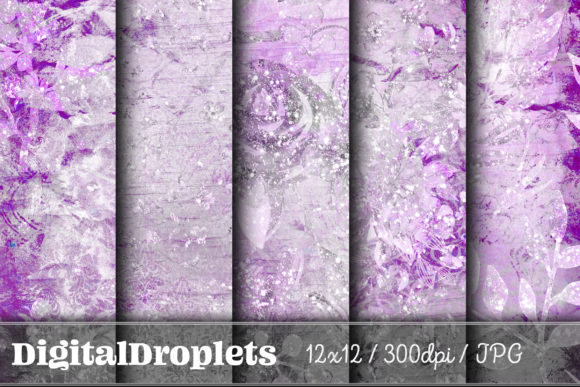
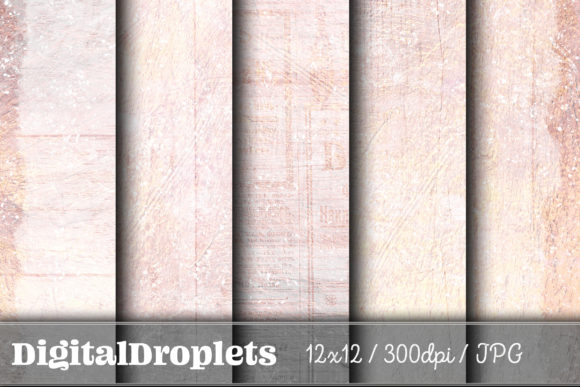
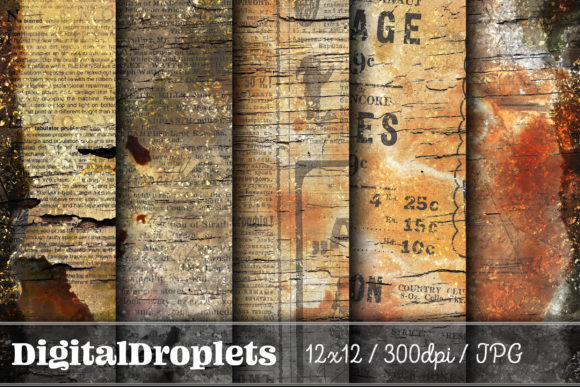
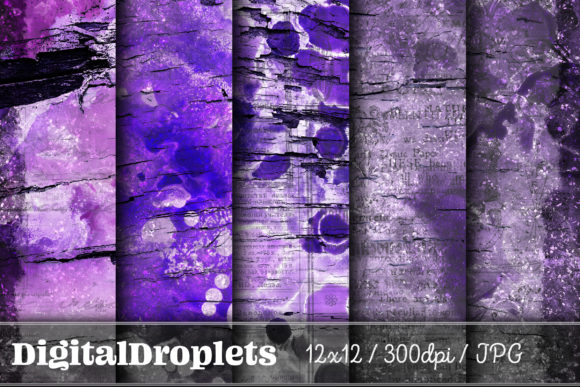
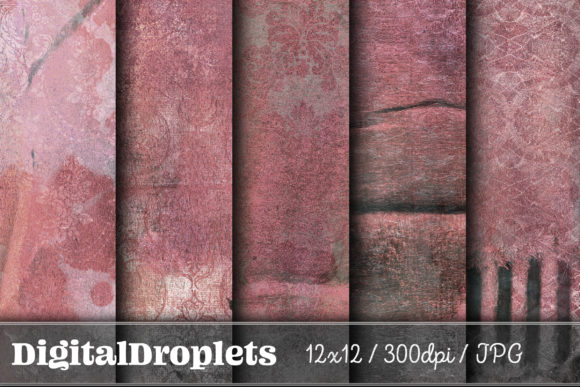
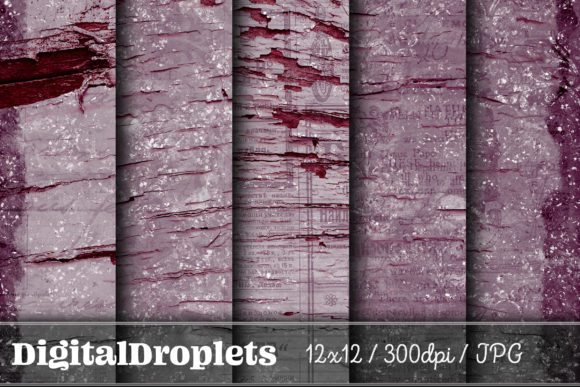
This isn't just another paper pack. The collection is built on a foundation of contrast—specifically, the interplay between rough, historical textures and high-end, sparkling finishes. You have vintage newspaper textures serving as the base, which immediately grounds your project in history. But overlaid on that grit is a glittered damask pattern. It’s a bold stylistic choice that elevates the design from "shabby chic" to "glamorous vintage." It suggests that the project isn't just old; it’s precious.
The Anatomy of a Layered Design Asset
As a designer, I appreciate when a premium font or texture pack comes pre-layered with intention. The Glam Vintage Vol. 16 | Collection features a unique "peeled paint" effect on each of the ten included papers. This is crucial for visual hierarchy. When you use these as backgrounds, the distressed areas create natural negative space where text or focal images can sit without competing for attention.
Because each page features a different pattern and border, you avoid the repetitive look that plagues many digital scrapbook kits. This variety is essential for editorial design and multi-page projects. If you are designing a digital photo album or a series of social media graphics, you can cycle through the papers to maintain a cohesive brand identity without boring your audience. The 300dpi resolution ensures that these textures remain crisp, even when printed for packaging design or physical home decor.
Integrating Vintage Assets into Modern Workflows
You might be wondering how a "glittered damask" fits into a modern brand strategy. The answer lies in the current trend of "analog aesthetics" in digital spaces. Brands are moving away from sterile, corporate perfection and embracing imperfection to build trust. Using textures from the Glam Vintage Vol. 16 | Collection can soften a harsh digital interface or add warmth to a cold email newsletter.
Here is how I would approach integrating these assets into different project types:
- Web Design & Blogging: Use these papers as full-bleed backgrounds for landing pages. The vintage newspaper texture provides enough visual interest to keep users scrolling, while the glitter overlay adds a touch of luxury. This works exceptionally well for lifestyle blogs, antique dealers, or wedding planners.
- Logo Design & Branding: While you wouldn't use the full paper as a logo, you can use clipping masks to apply these textures to typography. A serif font filled with the "peeled paint" texture instantly becomes a display font with character. It’s a great way to create a logo that feels established and trustworthy.
- Junk Journaling & Scrapbooking: This is the heart of the collection. You can print these sheets to create real-world ephemera, or use them digitally to layer behind photos. The distinct borders on each paper act as ready-made frames, saving you time in composition.
Typography and Texture: A Strategic Pairing
One of the most common mistakes in graphic design is pairing a complex texture with a complex font. The Glam Vintage Vol. 16 papers are visually busy—newspaper text, glitter, and paint peels are all competing for attention. Therefore, your typography needs to be the "quiet" element that brings order to the chaos.
I recommend pairing these textures with clean, legible typefaces. A geometric sans serif font creates a striking modern contrast against the vintage background, making the design feel fresh rather than dated. Alternatively, a classic, sturdy serif font leans into the heritage vibe but needs to be bold enough to stand out against the damask patterns. If you want to use a script font or handwritten font, ensure it is a "monoline" style—something with consistent stroke width—so it doesn't get lost in the texture of the paper.
Practical Application: Cards, Tags, and Packaging
For the entrepreneurs and small business owners reading this, let’s talk about tangible ROI. Design assets like the Glam Vintage Vol. 16 | Collection are not just for digital display; they are tools for physical production. If you sell handmade goods, your unboxing experience is part of your product.
Imagine printing these 12x12 papers to create custom envelope liners or wrapping paper for small items. The "glittered" effect translates surprisingly well to matte cardstock prints, giving a subtle shimmer. You can also die-cut these papers to create custom tags, stickers, or inserts for your planner stickers line. Because the files are high-resolution, you have the flexibility to scale them down for washi tape strips or scale them up for wall art without losing quality.
Commercial Viability and Final Thoughts
When selecting design assets, commercial licensing is always a key consideration. Always verify the specific terms of use for the collection, particularly regarding print-on-demand services. However, the versatility of this set makes it a sound investment for a professional creative library.
The Glam Vintage Vol. 16 | Collection offers a specific aesthetic that is difficult to replicate from scratch. It balances the "shabby" with the "chic," making it suitable for high-end invitations as well as rustic scrapbooks. By understanding the interplay of texture, typography, and context, you can leverage these papers to create designs that feel authentic, tactile, and deeply engaging.